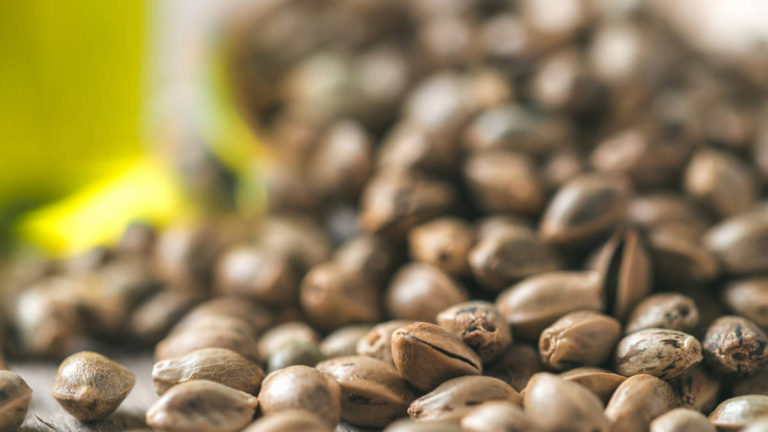
What Businesses Must Know About MDARD, CRA, and the New Federal “Total THC” Standard.
Summary
Michigan’s hemp seed and clone marketplace is often misunderstood, especially by entrepreneurs who assume that “everyone sells seeds online” means the activity is unregulated. In reality, Michigan law ties viable hemp seed sales to Cannabis Regulatory Agency (CRA) processor‑handler licensing, and federal law is shifting toward a stricter “total THC” definition effective November 12, 2026. This article outlines the legal landscape, highlights common compliance traps, and explains what is at stake for Michigan operators.
Background
Michigan regulates hemp through two separate systems:
- MDARD oversees hemp cultivation through grower registration.
- CRA licenses processor‑handlers who process, handle, broker, or market industrial hemp.
- MDARD’s published guidance states that anyone selling hemp seed in Michigan must hold a hemp processor‑handler license or a marijuana processor license. At the same time, Michigan’s Industrial Hemp Growers Act prohibits growers from selling or transporting viable hemp plants or viable seed—creating a statutory barrier for clone or seed‑production businesses operating under a grower registration alone.
Federally, Congress amended the 2018 Farm Bill in November 2025 to replace the delta‑9 THC standard with a “total THC” definition, adding explicit exclusions for seeds exceeding 0.3% total THC.
This change becomes effective November 12, 2026 and will reshape national seed commerce.
Opinions
Regulators have made clear that hemp seed is not “just agricultural inventory.” MDARD’s position that seed sellers must be licensed, combined with CRA’s broad interpretation of “marketing industrial hemp,” signals that Michigan intends to treat seed commerce as a regulated supply‑chain activity.
The federal shift to total THC further complicates the landscape. Businesses relying on the old delta‑9 standard will face new compliance burdens, and financial institutions may tighten policies even before enforcement begins. For Michigan operators, the safest path is to treat seed sales as a fully regulated activity requiring licensing, documentation, and careful labeling.
What’s at Stake
For Michigan businesses, the risks include:
- Unlicensed activity violations under the Industrial Hemp Research and Development Act.
- Grower‑specific prohibitions on selling viable plants or viable seed.
- Seed‑law liability for inaccurate labeling or misrepresentation under state and federal seed acts.
- Interstate commerce exposure, as destination states may require seed dealer registration or additional documentation.
- Federal enforcement uncertainty once the total THC definition takes effect.
A misstep can result in stop‑sale orders, product seizure, loss of licensure, or civil liability.
LINKS
- European Company Is Flooding America With Cannabis Seeds
- Court Allows Challenge to Michigan’s New 24% Cannabis Tax
- MI CRA Statement about Presidential Schedule Change EO
FAQs
Q: Do I need a license to sell hemp seed in Michigan?
A: Yes. MDARD states that seed sellers must hold a hemp processor‑handler license or a marijuana processor license.
Q: Can a registered hemp grower sell clones or viable seed?
A: No. Michigan’s grower statute prohibits growers from selling or transporting viable plants or viable seed.
Q: Can I operate a seed business from my home?
A: Not if it involves growing hemp. Michigan law prohibits growing industrial hemp in a dwelling, and processor‑handler licensing carries inspection obligations.
Q: Does federal law still protect interstate hemp shipments?
A: Federal law prevents states from blocking transport of compliant hemp, but it does not legalize seed sales in every state or override seed‑law requirements.
Q: How will the new federal “total THC” rule affect seed sellers?
A: Seeds exceeding 0.3% total THC will fall outside the federal hemp definition beginning November 12, 2026, increasing compliance and testing burdens.